The Ultimate Overview to Permanent Vacation Lighting for Modern Homeowners
Permanent outside illumination utilized to be a specific niche upgrade, mostly booked for huge customized homes or industrial residential or commercial properties that desired a sleek look year-round. That has altered. Today, more property owners are considering Permanent Vacation Lights as both an ease function and a style choice, similar to landscape illumination, safety cameras, or clever irrigation. The charm is noticeable once you have actually invested a couple of winters climbing a chilly ladder, untangling strings of lights, replacing half-burned sections, and attempting to make the roofline appearance also from the street.
What makes permanent systems different is not simply that they remain in location. A well-designed arrangement enters into your home. During December, it can develop a complete holiday display. In July, it can cast a refined accent clean for outdoor suppers. In October, it can shift to autumn tones. On regular evenings, it can stay nearly unnoticeable. That last factor matters greater than lots of people anticipate. Home owners are typically curious about the function, yet they get based on appearance. If the product looks cumbersome in daytime or promotes itself when turned off, excitement has a tendency to drop quickly.
This guide is for home owners who want to comprehend exactly how these systems work, what an appropriate Permanent LED Illumination Installment involves, and just how to judge whether the financial investment makes sense for their home.
What long-term holiday lights truly are
At a fundamental level, irreversible vacation lights are inconspicuous LED lighting systems placed along the roofline, fascia, soffits, or trim of a home. They are made to remain installed year-round and to be regulated via an app, timer, wall surface switch, or home automation system. A lot of contemporary systems make use of addressable LEDs, which implies private lights or tiny groups can alter color separately. That unlocks to going after impacts, static scenes, scheduled programs, and seasonal presets.
The crucial distinction is that not all permanent lighting items are implied for the very same usage. Some are built mainly for cheery shade and computer animation. Others lean toward architectural accent illumination. The best residential systems often connect both groups. They can generate vibrant holiday scenes when desired, yet they additionally offer restrained day-to-day settings that do not make the home look like a motif park.
In technique, home owners tend to use these systems in 3 methods. The first is obvious, vacation design without the yearly setup and takedown cycle. The second is curb appeal, particularly for homes with strong rooflines, gables, or entry information that gain from subtle night illumination. The 3rd is functional way of life use, such as lighting a patio edge, noting a driveway-facing elevation, or producing a welcoming look when guests arrive after dark.
Why property owners are making the switch
The strongest reason is convenience, however benefit alone does not describe the development popular. Individuals are additionally responding to a few repeating frustrations.
Traditional string lights are momentary deliberately. Clips break. Wind pulls lines loose. Areas fail at the worst time. Roofing gain access to obtains riskier yearly, specifically for property owners with steep pitches, second-story eaves, or slick composite surface areas. There is additionally the storage space trouble. A big house can quickly create several bins of seasonal lights, expansion cables, clips, and substitute light bulbs. Also when the lights work, the process is repetitive and time-consuming.
A permanent system alters the whole formula. Once the hardware is installed and set, the labor changes from physical setup to a couple of faucets on a phone. Home owners can schedule colors for significant vacations, sports occasions, birthday celebrations, area gatherings, or quiet everyday use. If a child wants purple and gold for graduation weekend or a household wants red, white, and blue for a summer celebration, it takes mins instead of a complete afternoon.
There is additionally a security argument that should not be disregarded. Every professional who works around homes has seen makeshift ladder setups that welcome an autumn. Eliminating the annual rooftop regimen is worth genuine money to many families, specifically older homeowners or any individual who has already had a close phone call hanging lights in bad weather.

The style question that matters most: how it searches in daylight
The most common error individuals make is going shopping by app attributes prior to they evaluate how the hardware disappears into the home. Fancy color scenes are simple to market. Clean daytime look is tougher to attain, and it is where product quality and installer skill end up being obvious.
An irreversible lights system need to look willful, not added. That normally means the light channel or mounting track is color-matched to the soffit or fascia, the cord runs are concealed, and the spacing complies with the design of the home rather than a one-size-fits-all pattern. On a white or cream residence, mild mismatches may be hardly noticeable. On dark bronze, black, charcoal, or discolored timber exteriors, bad matching sticks out immediately.
I have actually seen 2 installations on comparable homes generate entirely various perceptions. One went away so well that next-door neighbors just discovered it the very first time it was activated. The other drew focus daily since the track rested happy with the trim, the cord shifts were subjected, and the installers did not account for a challenging gable junction. At night, both homes glowed. In daytime, just one resembled a premium upgrade.
This is where seasoned judgment matters. An excellent installer is not simply attaching lights. They read sightlines from the road, representing trim depth, preparing edges, and selecting mounting places that protect the architecture.
Understanding the light quality
People usually concentrate on color-changing ability, yet the quality of white light is just as crucial. For numerous homes, one of the most stylish everyday setup is not saturated color at all. It is a soft white glow that highlights the roofline without looking severe. That is why lots of homeowners ask especially for Classic Cozy Soft Lights. They desire something welcoming and calmness, closer to candlelight or conventional incandescent vacation bulbs than the cool blue-white tones common in older LED products.
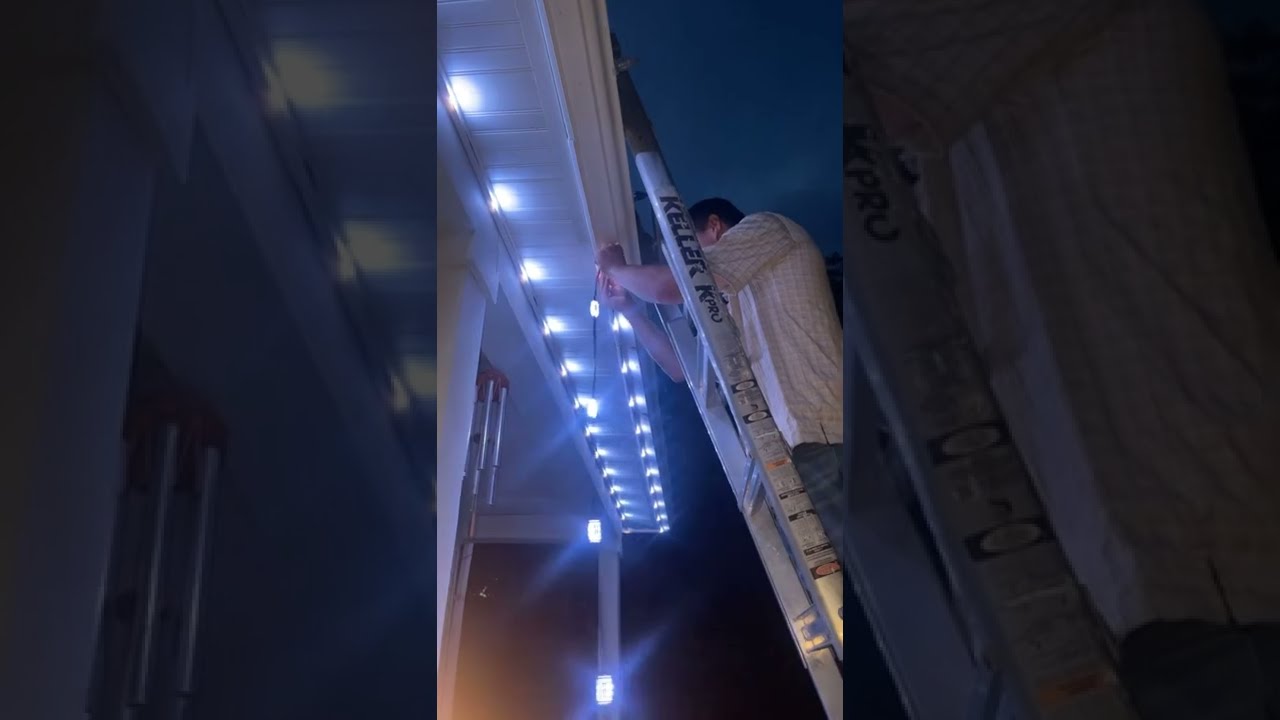
Color temperature level and illumination control form the feeling of the house greater than a lot of buyers realize. An extremely awesome white can make rock, stucco, and repainted trim feeling sterile. A warmer white tends to flatter brick, wood, and designed facades. Dimmer ability likewise matters. Full outcome might be best for a vacation event, however as well aggressive for a normal weekday evening. The ideal system lets you reduce intensity and develop scenes that feel refined rather than loud.
Even with RGB or RGBW systems, warm whites differ by supplier. https://jsbin.com/sovolaxiti Some products mimic warm white with shade blending, which can be appropriate at a range however might not look as all-natural up close. Others consist of a dedicated white diode that usually supplies a cleaner building outcome. If subtle day-to-day use is essential to you, ask to see the system in person in the evening, not simply in advertising and marketing photos.
What a correct Permanent LED Lights Installation includes
A quality setup begins long before the very first hole is drilled. The specialist should assess the roofline, power accessibility, trim products, wetness direct exposure, and control area. They must likewise ask exactly how you prepare to make use of the lights. A family members that wants a subtle warm-white accent the majority of the year might need a various format and programming method than a house owner that wants animated vacation scenes visible from the end of the block.
The installation itself usually entails a placing network or track, low-voltage or line-voltage power elements relying on the product, control equipment, and the LED nodes or components. Some systems put under the soffit and cast light external or downward in a wash impact. Others sit near the fascia edge for a more specified point-of-light look. Neither is naturally far better. It relies on the home design and the visual impact you want.
What divides specialist work from hurried job is focus to the unglamorous information. Power materials require proper placement and weather protection. Penetrations need sealing. Cable runs require stress relief and tidy directing. Long terms need voltage planning so brightness remains regular from one end to the various other. Corners need to be handled nicely, particularly on multi-level homes where transitions show up from the street.
If a specialist can not plainly describe just how they handle these basics, that is an indication. Fancy application trials do not compensate for inadequate electrical preparation or careless finish work.
Homes that profit the most
Not every residence gets the exact same aesthetic payback. Houses with strong building lines often tend to profit the most, particularly those with clear eaves, front-facing gables, garage peaks, dormers, and covered entryways. A modest home can look striking with a meticulously lit roofline. A big home with complex altitudes can likewise benefit, yet only if the design is discerning. Extra lights do not constantly indicate a far better result.
Some property owners presume every edge must be lit. In practice, restraint typically looks far better. Illumination only the front-facing building components can produce a cleaner, more well balanced appearance than wrapping every side and back side. That strategy can additionally minimize expense significantly.
Homes with mature landscape design present an additional fascinating instance. If trees currently mount the house and landscape illumination is doing some of the operate at ground degree, the long-term roofline illumination should match that result rather than subdue it. The nicest tasks typically feel layered. Your home glows gently above while course lights, uplights, or veranda components deal with the lower aesthetic field.
Cost, worth, and what drives the price
Permanent illumination systems are not impulse acquisitions. Set up prices varies commonly based on product type, home size, roofing complexity, color capability, and labor access. An uncomplicated single-story setup will cost much much less than a two-story home with steep pitches, multiple peaks, and long runs. In broad terms, house owners typically experience prices that ranges from a number of thousand bucks for smaller homes to well beyond that for large customized residences.
The main expense drivers are not strange. The footage of the roofline issues. So does the number of corners, tops, levels, and power areas. Item high quality issues, particularly in the track, LEDs, control system, and weather resistance. Labor can turn greatly based upon gain access to obstacles. A tidy ranch home with simple ladder placement is something. A tall house over irregular grade with delicate landscape design is another.
Whether the system adds resale value is more difficult to determine directly, yet curb appeal and convenience do influence customer perception. Even when a vendor does not recover the full installation price in a formal evaluation sense, a well-executed system can assist a home really feel even more current and better cared for. That can matter in an affordable market.
For property owners choosing whether the financial investment is justified, the better contrast is typically not against one period of momentary lights, yet versus years of repeat spending, storage inconvenience, ladder risk, and inconsistent outcomes. If you already spend for annual vacation light installation, the math becomes less complicated to justify.
The functions worth paying for
Not every advertised feature deserves equivalent focus. Some are useful each week. Others are mostly showroom material.
Here are the functions I would prioritize when examining systems:
- Reliable application control with scheduling that in fact works
- Clean track layout that mixes with the home in daylight
- Quality warm-white performance, especially if you want Classic Warm Soft Lights
- Solid guarantee assistance on both item and installment labor
- The capability to isolate areas or create straightforward customized scenes without frustration
A surprising variety of house owners care extra regarding the 2nd and 3rd items than the animated impacts. That becomes clear after the holidays. When January passes, the system either resolves right into your home beautifully or it starts to seem like a pricey novelty.
Common blunders buyers make
The initially mistake is selecting simply by rate. Lower-cost systems can be appealing on paper, yet if the track fades, the app is unstable, or the installment looks apparent in daytime, the savings discolor swiftly. Outside products stay in warmth, cold, wind, moisture, and ultraviolet exposure. Those conditions penalize inexpensive materials.
The second error is getting too much brightness. Individuals see a dramatic nighttime trial and presume more output indicates extra worth. On a genuine community street, extreme brightness can look commercial or even aggravate nearby homes. Good illumination must fit the scale of the house and the context of the block.
The third mistake is taking too lightly service access. One way or another, a controller may require updating, a power supply might need replacement, or an area might call for diagnosis. A thoughtful installment leaves sensible gain access to factors and documents the layout. A careless one hides whatever behind finished surfaces and produces frustrations later.
The fourth blunder is neglecting just how the system will certainly be used from February with October. If your only objective is December lights and you are not curious about building or seasonal usage the rest of the year, you need to be straightforward regarding that. Irreversible Vacation Lighting still might be beneficial, but the worth equation changes.
Color scenes versus classic appeal
One of the largest style decisions is whether you desire a system that leans playful or one that leans architectural. There is no wrong solution, but the option impacts item selection and setup design.
Animated color scenes are wonderful for holidays, events, and family members occasions. Kids enjoy them. Neighbors discover them. They can make the home really feel vibrant and congratulatory. The compromise is that some scenes age quickly, and not every house owner wants that degree of visual power outside the vacation season.
Architectural scenes are quieter. Cozy whites, amber tones, and subtle cleans tend to make a home feeling ended up and upscale. If your house has quality products such as natural stone, cedar accents, brickwork, or comprehensive trim, controlled lights usually does more justice to those materials than consistent movement and saturated color.
The most successful systems provide you both, after that make it easy to use restriction. That balance is one reason dedicated irreversible systems have come to be more attractive than momentary hairs or improvised clever bulb setups.
Questions to ask before hiring an installer
A brief discussion with the installer can disclose a lot. You do not require to sound technical. You simply require to ask practical questions and pay attention for clear answers.
Use these inquiries as a filter:
- How will the track and cord runs be concealed on my certain roofline
- What does the system appear like during the day when it is off
- How are power supplies and controllers protected from weather
- What components of the guarantee are dealt with by you versus the manufacturer
- Can I see a neighborhood installation in the evening and, ideally, in daylight
Experienced installers usually respond to readily and will explain trade-offs you had not considered. If the discussion stays unclear or turns right away right into a sales pitch concerning color results, keep looking.
Maintenance and long-lasting ownership
One factor home owners like these systems is that maintenance is usually light, however light upkeep is not the same as no maintenance. Exterior lights still benefits from regular assessment. Leaves can accumulate around components. Serious weather condition can stress connections. Software program updates might be needed for the controller or app. If you stay in a region with extreme sun, freeze-thaw cycles, or salt exposure near the coast, worldly quality ends up being especially important.
The excellent information is that well-installed systems generally do not demand a lot from the property owner. A yearly visual check, occasional cleaning near available areas, and punctual attention if a zone acts oddly are typically sufficient. If the installer provides a service plan, it can be worthwhile, especially for larger homes.
It is additionally wise to conserve setup documentation. Keep images of controller places, power supply access, and any kind of covert junction factors. That details is important years later on, particularly if you repaint outside trim, replace soffits, or work with other professionals for roof and fascia work.
How irreversible lighting fits a contemporary home
Modern homeowners anticipate modern technology to get rid of rubbing from every day life. That does not suggest every wise feature is worthwhile. Some end up being tricks. Irreversible exterior lighting often tends to stick because it addresses a genuine issue while likewise enhancing the look of the home.
There is an emotional side to it also. Exterior illumination modifications how a home really feels when you draw right into the driveway after dark. It shapes impressions for visitors. It can make a normal weeknight feel a bit a lot more intentional. Throughout the vacations, it recovers something many family members have lost, the capacity to embellish perfectly without transforming it right into a weekend-long project.
The greatest projects are not the ones with the most remarkable application screenshots. They are the ones where the illumination really feels integrated right into your home, where the installer valued the architecture, and where the home owner can move from festive color to Classic Warm Soft Lights without the system ever before looking out of place.
If you are taking into consideration a Long-term LED Lights Installment, take your time with the style and with the installer selection. Check out real homes, not simply product reels. Stand nearby in daytime. Ask how the system will certainly mature. Think of exactly how you desire your house to feel most evenings of the year, not simply on major vacations. That is the mindset that generally causes a result you will value for a lengthy time.
